
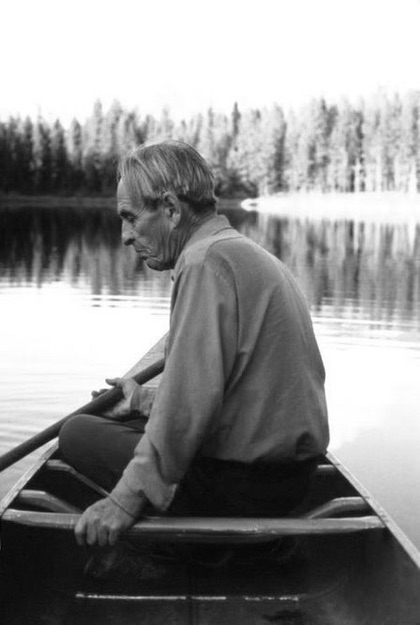
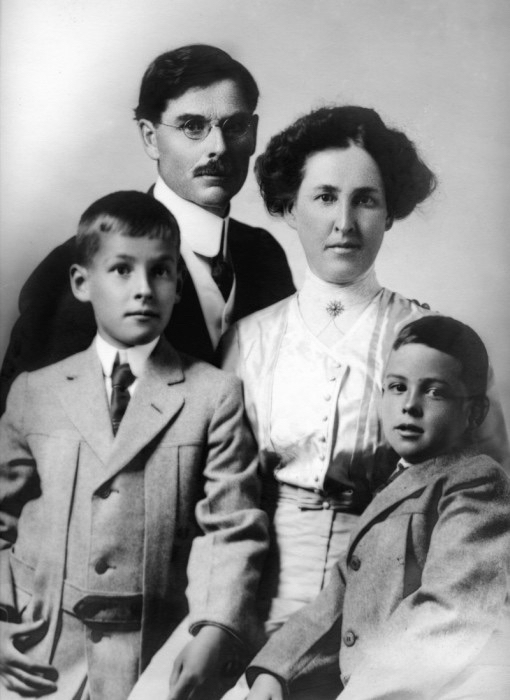
Maclean Family
Father and Mother
Norman (left), and Paul (Right, 1906-1938)
And…
The unbridgeable gap of misunderstanding that existed between the brothers in their youth is gently washed away by the passage of time, much like the steady, ceaseless flow of a river.
Ultimately, both the joys and the tragedies of the Maclean family blend together, harmonizing into a single, beautifully unified a story of memory.

Temporary the older brother, Norman, frequently asked himself questions—often interbank with religion —about the meaning of his own existence:
“Why was I born into this world?”
Behind this question, lay a deep lingering desire to understand the death of his younger brother, Paul.
It felt less like a question about the direct cause of his brother‘s death, and more like of a deeper heartache:
“Why was my brother designed to die?”
It is as if I can hear that very sentiment reasoning from the depth of his soul.
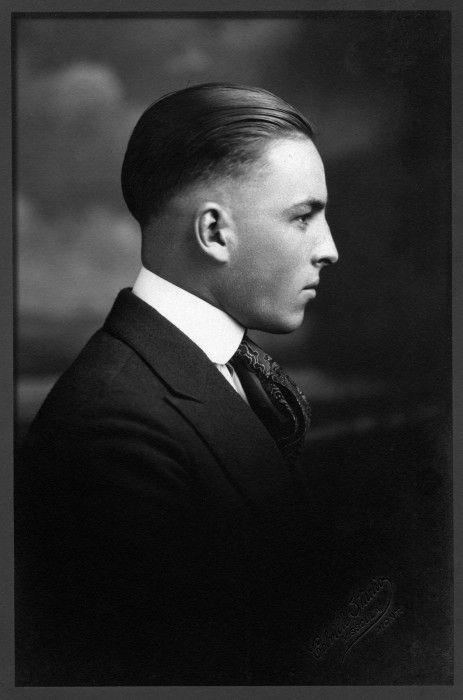
One reason Norman remained silent for so long was his deeply sensitive nature; he was acutely aware of the feelings of his
parents and those around him.
He was, in ever since, a “model good man.”Moreover, because it was such a profoundly tragic event, he may have held back from speaking out of fear of how others would react.
Yet deep down, he always carried a quiet desire to speak gently of those beautiful, bygone days of their youth.
Living for years with his true feelings only his years when he himself environment from the expect that he could begin to write.
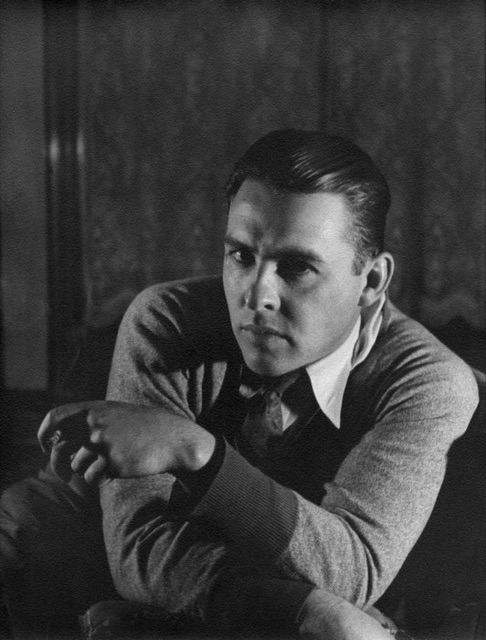
Perhaps, by then, he had also found some semblance of an answer regarding the reason behind his brother‘s death.
The older brother, an immense love and admiration for his free – spirited, talented younger brother.
At the same time, he knew deep down that Paul’s reckless, headstrong way of life would one day lead to ruin.
The author writes of that final moment:
“When the police called, I was neither surprised by the news of my brother‘s death, nor did I ask any questions.”
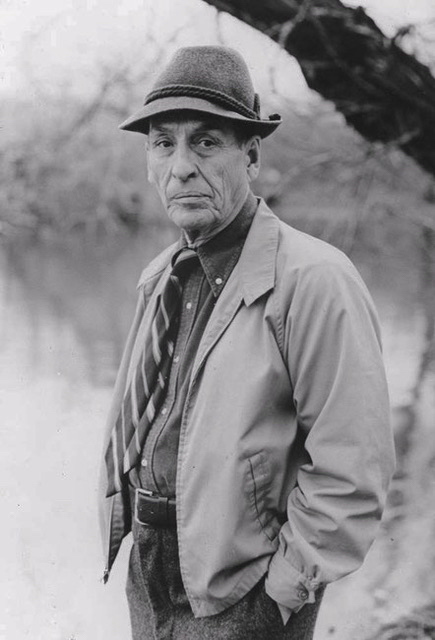
At first glance, it is hard to let us expand our imagination a little further here.
.
.
If this had been a problem belonging solely to his younger brother, Norman would not have felt the need to spend his entire life reflecting on Paul’s death.
The truth is, the questions surrounding his brother were a shared theme for Norman as well — and perhaps their father was tied to those very same questions. In other words, there was a shared “Karma” running through the Maclean family.
Here, “Karma” is not a punishment. It refers to the sheer momentum of habit –the repetitive patterns of thought, emotion, and behavior that we unconsciously re-enact.
Because of this, Norman always felt “something” catching in his own heart, a lingering resonance tied to his brother’s passing.
.
.
What, then, was that “something”?
.
.
.
It was, perhaps…
“To be true to oneself as you are.”
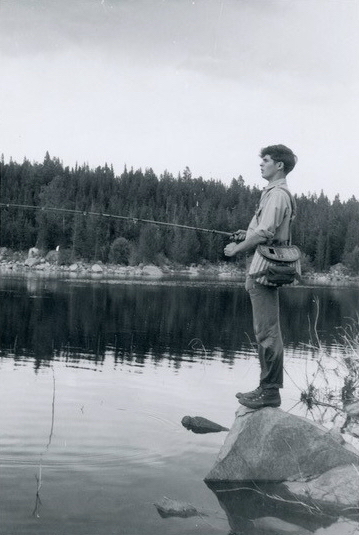
People often live their lives, searching not for “who they truly are,” but for “who they want to be.”
They chase an ideal self, driven by thoughts of “I want to be like this,” or “I must be like that.”
In short…
They are always searching for their “future self” and because of this, they failed to see the “present self” standing right here, right now.
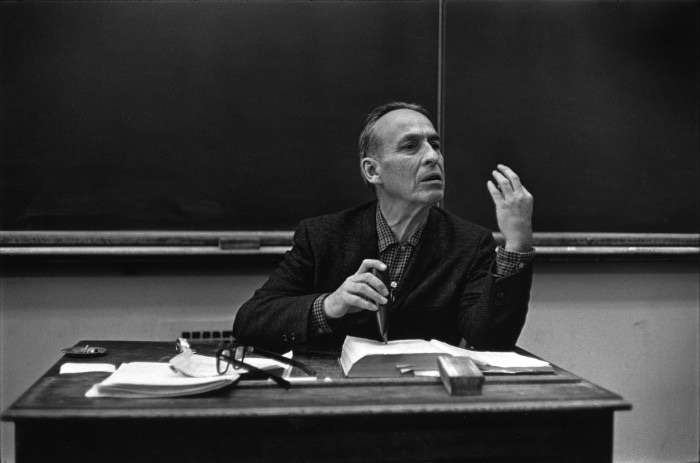
Here in body, but not in spirit
Every man in the Maclean family could not let go of his fixations; they couldn't bring themselves to surrender their idealized egos.
Tension between who he wants to be and who he is.
Paul never reached out to his family for help until the day he died, desperate to maintain the illusion of “the person he ought to be.”
So father expected Norman, the eldest son, to articulate an image of Paul— “the Paul Maclean that the father himself wanted to understand”—in order to make sense if the tragedy.
And Norman, being the “good man,” spent his entire life acting out the role of the “Norman Maclean expected by the world.”
The men of the Maclean family forced their “ideal standards” far too heavily onto reality.
虚心坦懐(Kyoshin Tankai)
Through theology of Paul’s death, what Norman came to reflect upon most deeply was neither family love nor the bond of brotherhood.
It was letting go of fixations.
And…
Accepting oneself Exactly as you are In the present moment.
.
.
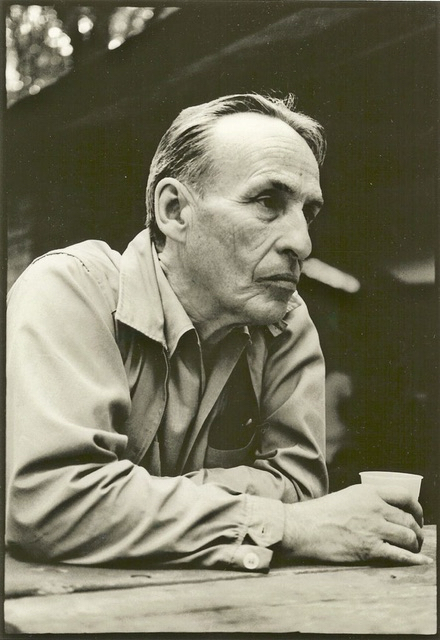
I feel that is what it is trying to tell us.
The river flows from the past, passes through where you are right now (It),
and continues to flow into the future, ticking away the moments of time.
It whispers that the present—
“Where you stand right now is who you truly are.”
.
.
From his youth into his twilight years, Norman continued to feel an “eternal moment” within the time of “now”—deeply immersed in nature through fly fishing.
And at the very least end of the work, this story concludes with these words:
“I am haunted by waters.”
.
.
When was the last time you were able to be exactly as you are?