.

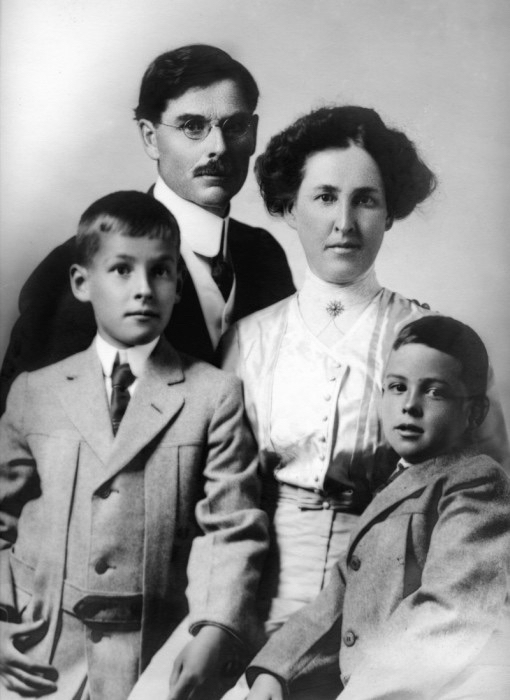
Maclean Family
Father and Mother
Norman (left), and Paul (Right, 1906-1938)
And…
The unbridgeable misunderstanding that separated the brothers in their youth is gently carried away by time, much as a river steadily, ceaselessly flows on.
In the end, both the joys and the tragedies of the Maclean family merge together, into a single, beautifully unified memory.
At first glance, it is not easy to let imagination wander much further here.

If this had been a sorrow belonging solely to Paul alone, Norman would not have spent his entire life reflecting upon his brother’s death.
The truth is that the questions surrounding his brother were questions Norman himself also carried—and perhaps his father was bound to those same questions as well. In other words, a shred “karma” flowed through the Maclean family.
Here, “karma” is not a punishment. It is the mere force of habit—the repeated patterns of thought, emotion, and conduct that we enact almost without knowing.
Because of this, Norman always felt something catching in his own heart, lingering resonance tied to his
brother’s passing.
.
.
What, then, was that “something”?
.
.
.
It was, perhaps…
“To be true to who you are.”
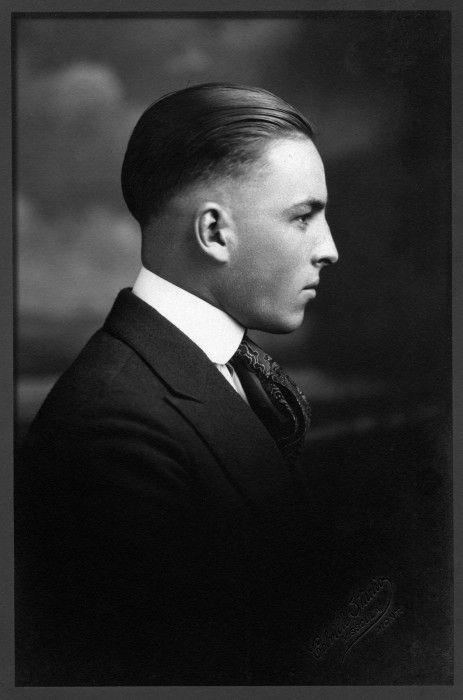
People often spend their lives, not in search of who they truly are, but of who they wish to become.
They pursue an ideal self, driven by thoughts of “I want to be this way,” or “I must be that way.”
In short…
They are forever chasing a future self, and in doing so, fail to notice the present self standing quietly here, before them, now.
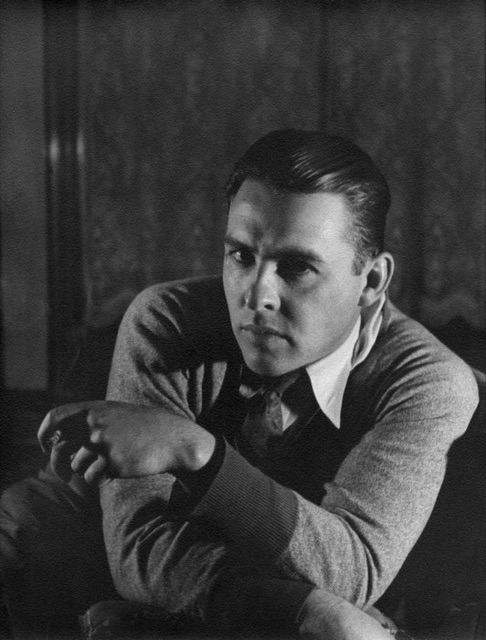
Here in body, but not in spirit
.
.
.
The men of the Maclean family could not release their fixations; they couldn't bring themselves to surrender their idealized egos.
There was always tension between who a man wished to be and who he is.
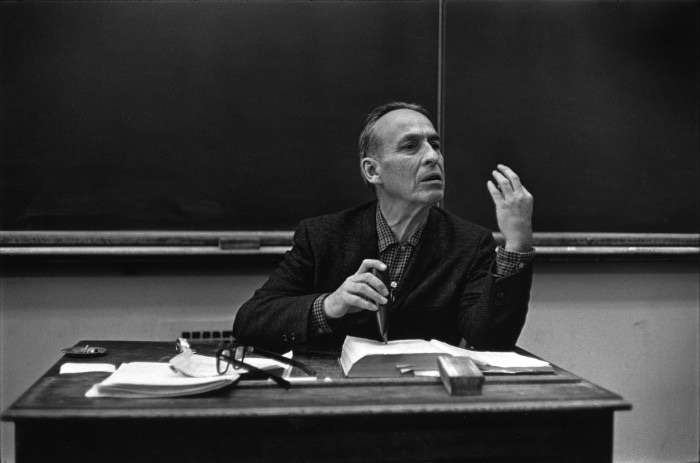
Paul never reached out to his family for help until the day he died, desperate to preserve the illusion of “the person he ought to be.”
And so the father expected Norman, the eldest son, to give voice to an image of Paul—“the Paul Maclean that the father himself wished to believe in”—in order to make sense of the tragedy.
And Norman, being the “good man,” spent his entire life performing the role of the “Norman Maclean expected by the world.”
The men of the Maclean family pressed their “ideal standards” too heavily upon reality.
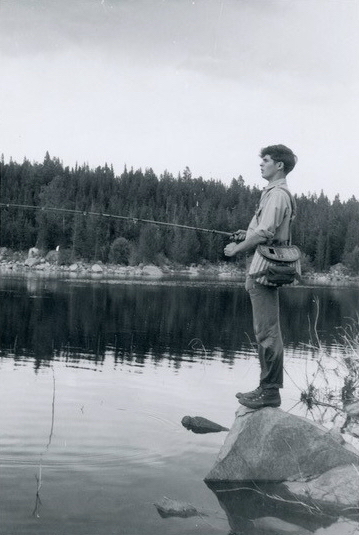
虚心坦懐 (Kyoshin Tankai)
Through the tragedy of Paul’s death, what Norman came to contemplate most deeply was neither family love nor the bond of brotherhood.
It was the letting go of fixation.
And…
The acceptance of oneself exactly as you are in the present moment.
.
.
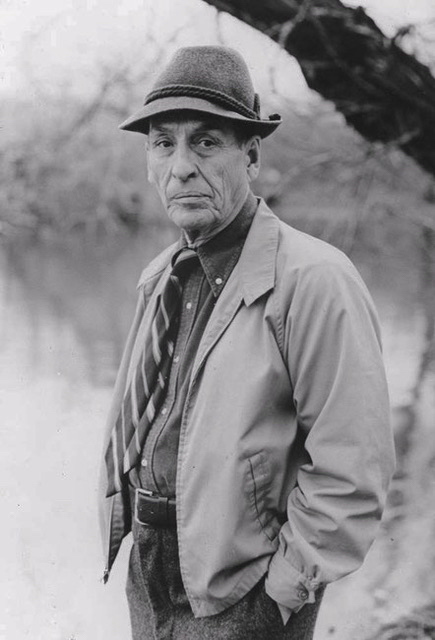
A river runs through it.
This, I feel, is what the work is trying to tell us. The river flows from the past, passes through where you are standing now, and continues on into the future, quietly counting the moment of time.
It whispers of the present.
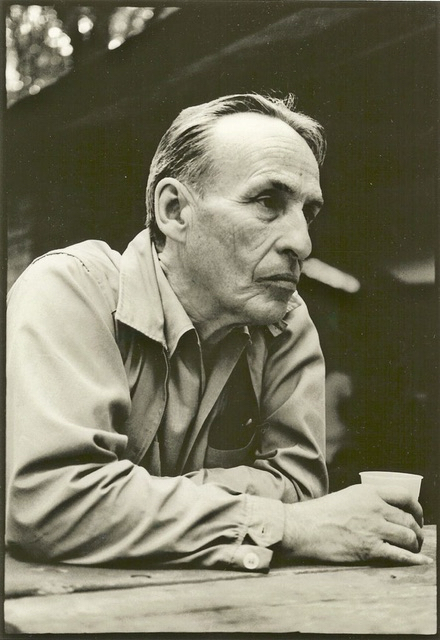
“I am haunted by waters.”
When was the last time you were able to be exactly as you are?