How to Take Control of Your Spirit

—Finding the Spirit of Aikido 

in Everything You Do—


(合気即生活 / Aiki Soku Seikatsu)


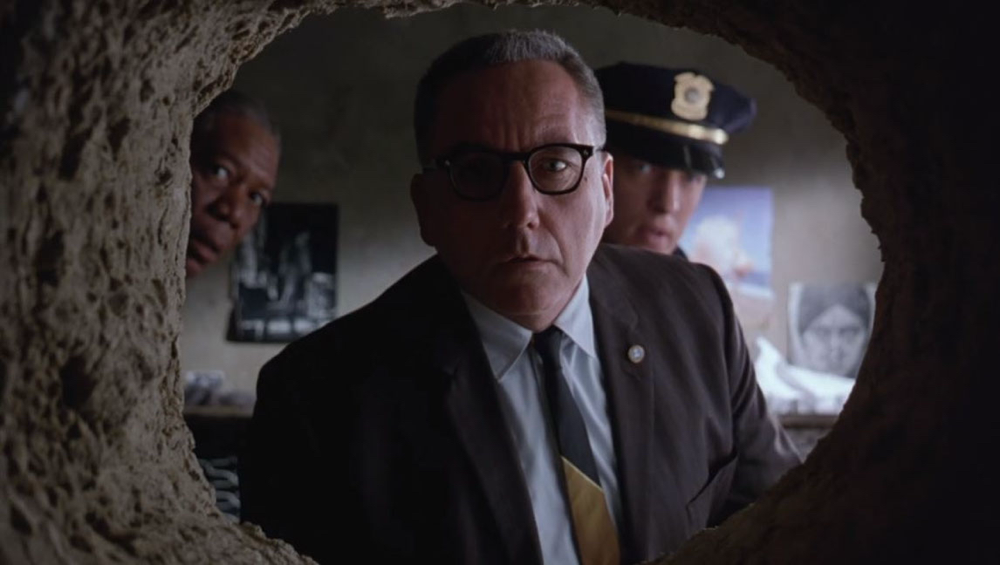
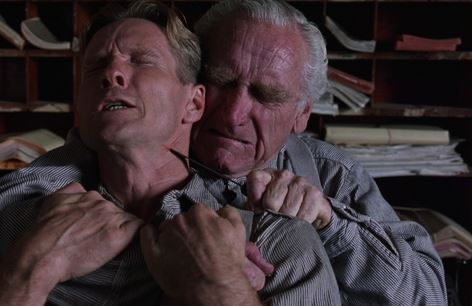
The Shawshank Redemption( 1994)


Do you know this movie?


The writer and director of this film is Frank Darabont, who is of Hungarian descent. 


His parents fled Hungary as refugees to escape the Soviet regime, eventually moving to France, where Darabont was born in a refugee camp.


Perhaps drawing from his own background, the film features scenes reminiscent of the Jewish “Exodus” from forced labor in the Old Testament. 
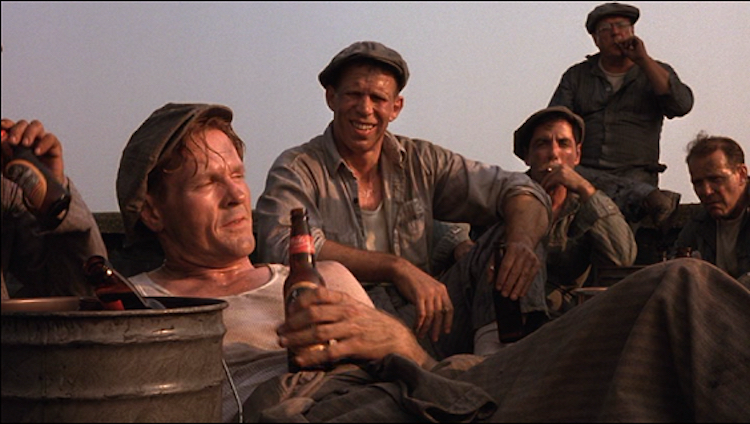


The protagonist, Andy (played by Tim Robbin’s), is even likened to Christ undergoing penance. 

It feels as though the director is projecting his own life experiences on to Andy.
.
.

Furthermore, this movie uses the prison as a metaphor for life itself. 

Regardless of our own will, we suddenly find ourselves thrown into this world and forced to participate.

Living might feel hopelessly tedious or miserable, but our only choice is to find ways to make the most of that mundane daily life and enjoy it.

.
.

The scene where the protagonist goes against the guards to broadcast music inside the prison without permission is deeply memorable.

Thetrue theme of this work is not simply to covey that “hope is important.” Rather, it shows that having hope or fallingintodespair heavily impacts the choices we make, ultimatelyshapingtheoutcome ofour lives.

That is why wemustkeep holding onto hope. To do that, what is the most important thing?

It to believe the future.
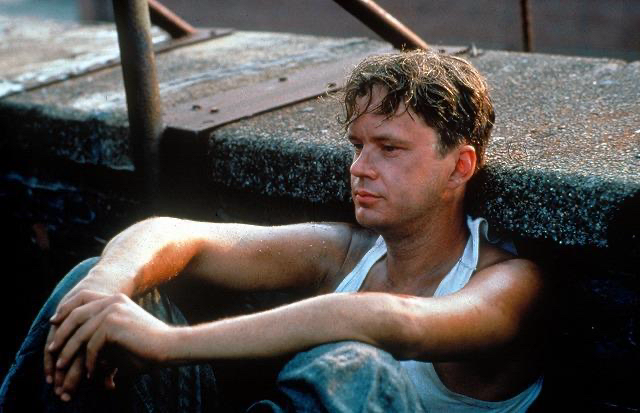


 So, how can we maintain this faith to believe in the future amid daily lives?

To put it briefly, it comes down to “cultivating the soul.”

In other words, I feel the director is trying to tell us about the importance of emotional self-control.

What has the protagonist been doing in this story to keep his hope alive?

It is a digging a tunnel.
.
.


The culmination of “cultivating the soul” is born from daily routines. Without some form of daily practice carried out strictly every single day, it is impossible to maintain faith.

Farmers wake up early every morning 
to tend to their fields.

People change the water and offering bowl at the family Buddhist altar, joining their hands in prayer.

Farmers plant rice in early summer, weed regularly, and harvest in autumn.

There is a “daily routine” that is patiently and consistently maintained. That is what leads to “cultivating the soul”—yes, it stabilizes the mind.
.
.


The theme isn’t “digging a hole with hope in your heart.” 

It is “because you dig a hole every day, you are able to keep hope alive.”

The repetitive actions of daily life are what forge the spirit.

.
.
.


Moreover, “digging a hole” has nothing to do with social evaluation or recognition. 

To others, it may seem completely trivial. 

Yet, by “continuing to dig,” the soul is cultivated.


On the other hand, people who live by the standards of others often grow old without knowing what truly matters to them.


That is why they are bound to lose sight of themselves. 

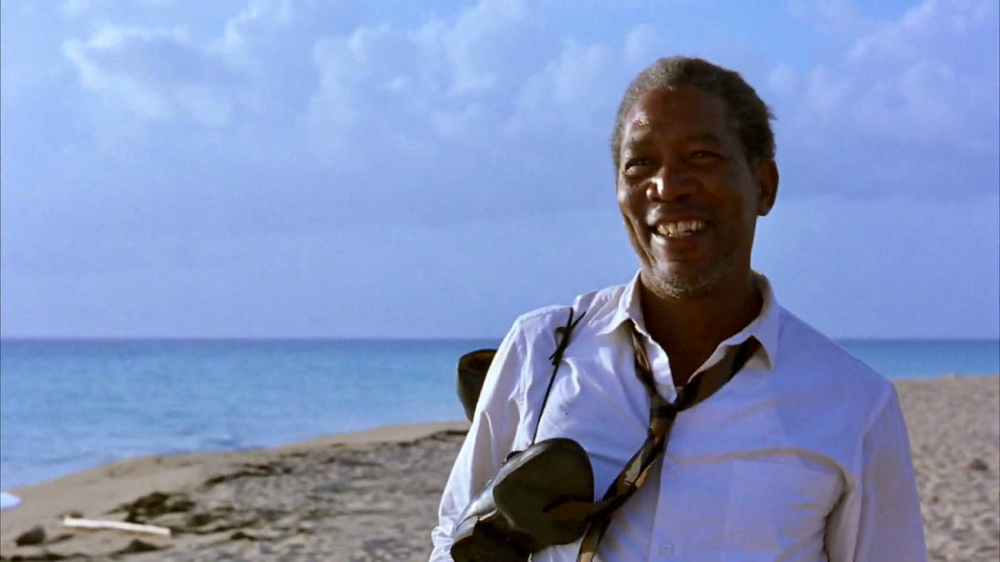
Characters like Brooks, the librarian, and Red embody this tragic role.


The important thing is whether you have continued to do “something “ deeply meaningful to you, completely detached from society. 


I feel this is the message the director is trying to convey.

.
.


In my own case, I used to make massive moves in life to expand my potential. 

What matters is not just thinking, but being fully aware of your physical body in this exact moment.

 Thoughts tend to drift towards the past or the future. Breathing in this very moment—that is what connects you to the actual sensation of being alive. 

That is what maintains the connection to your true self. 

For that very reason, we dig our own holes every single day.

This is how I personally Interrupt the message